An immersive journey into Bali’s lush highlands reveals how nature, family, cultural heritage and intentional hospitality can redefine the meaning of wellbeing.
By Priyangee Porwal | Wellness Editor, FACE Magazine
There are places we travel to for a change of scenery, and then there are places that quietly change the way we perceive life.
My journey to Bagus Jati, nestled in the verdant highlands of Tegallalang, north of Ubud, Bali, was meant to be the final stop on a wellness trip. By the time I arrived, I was physically exhausted, carrying little expectation beyond the desire to rest and disconnect. What I discovered, however, was something far more meaningful.
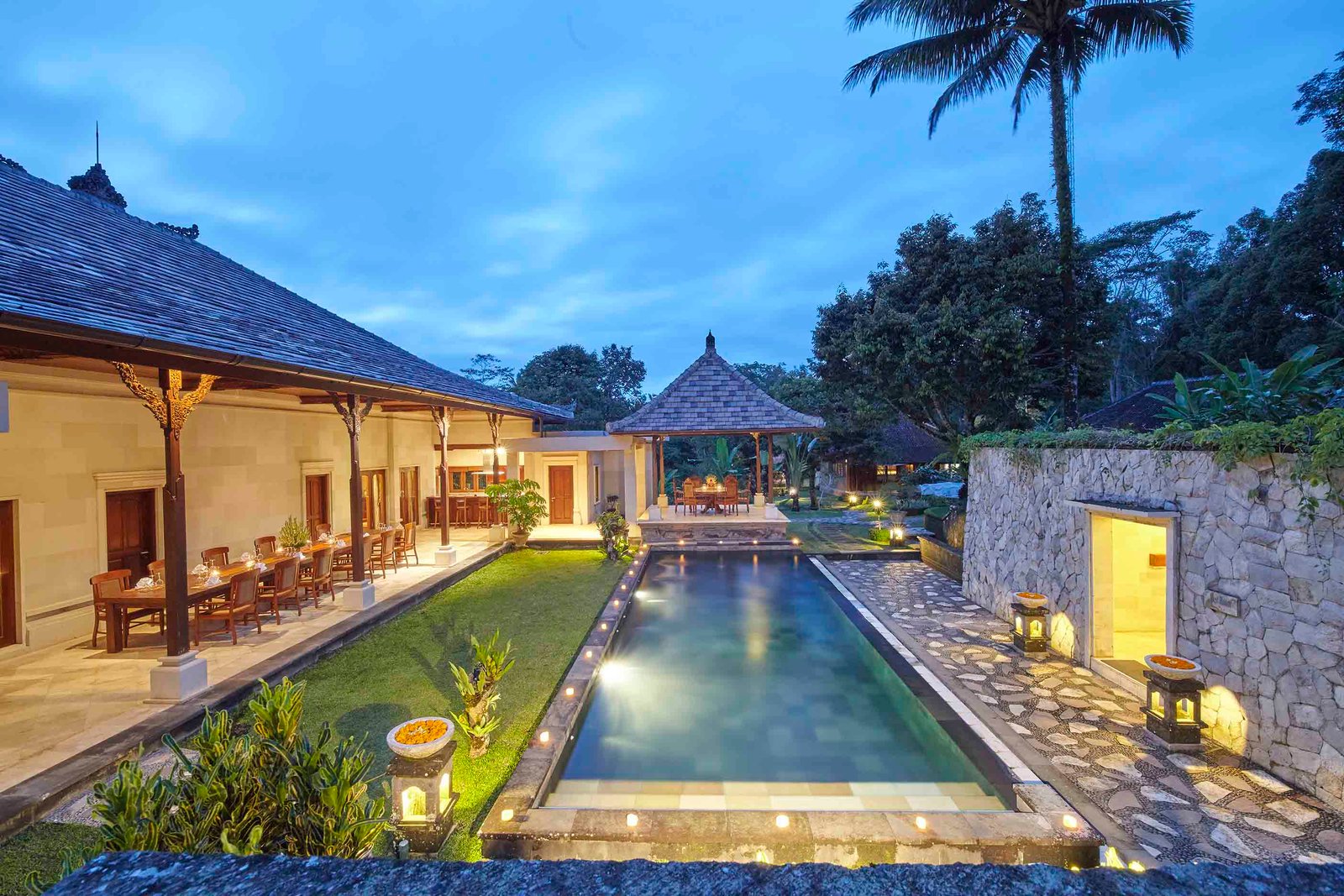
Spread across five hectares of hillside gardens, surrounded by tropical forests and sweeping valley views, Bagus Jati is a luxury health and wellbeing retreat that offers an experience beyond conventional hospitality. Situated approximately 750 metres above sea level, the property welcomes visitors with fresh mountain air, lush greenery and an atmosphere that seems to move at its own gentle pace.
The first impression was not its architecture or accommodation. It was the stillness.
Cool mountain air, running water, birdsong, soft light and towering trees created an atmosphere that felt almost untouched by the pace of the outside world. Nature did not merely surround the retreat; it seemed to host the entire experience and perhaps that is where its story truly begins.
When Space Becomes the First Teacher
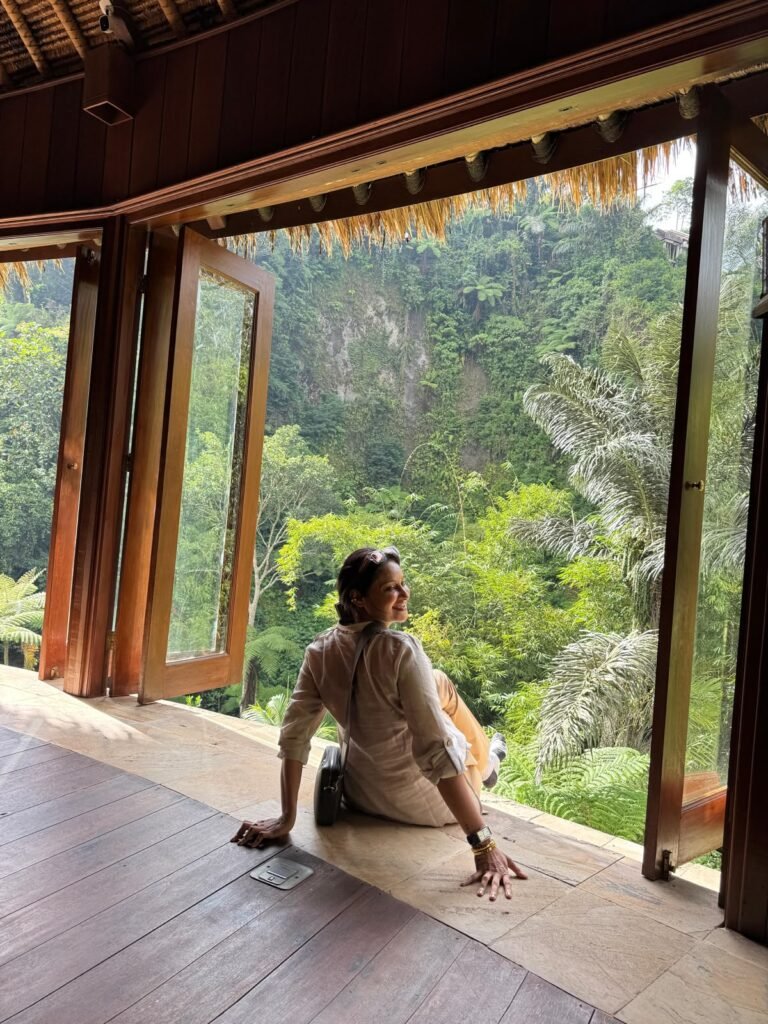
One of my earliest experiences at the retreat was entering its yoga shala. I had initially felt little inclination to attend the scheduled yoga session, but eventually found myself walking into the space.
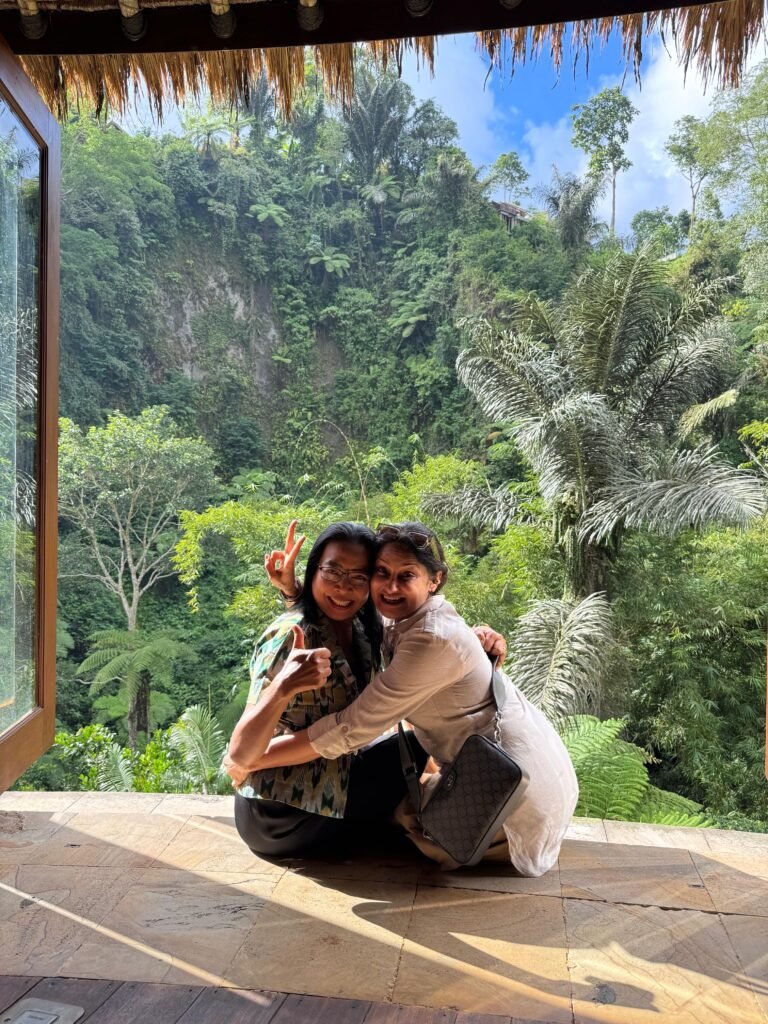
The hall was empty. Floor-to-ceiling glass opened the room towards an uninterrupted landscape of trees and greenery. Morning light entered gently, while the surrounding forest created a sense of quiet that required no instruction.
I remember thinking, “This is the perfect place for meditation and contemplation.”
It was a simple moment, but one that stayed with me.
We often associate wellness with structured programmes, guided therapies and carefully designed routines. Yet sometimes, the environment itself becomes the first step towards restoration. At Bagus Jati, architecture works in harmony with nature, creating spaces that encourage reflection without demanding participation.
Perhaps wellness does not always begin with doing something. Sometimes, it begins with having the space to simply be.
The Philosophy of Living in Harmony
An interesting aspect of Bagus Jati is its connection with the traditional Balinese philosophy of Tri Hita Karana, which emphasises harmony between human beings, nature and the divine.
This philosophy finds expression in the retreat’s natural surroundings, its cultural experiences and its approach to wellbeing.
Throughout my stay, wellness revealed itself through experiences rather than declarations.
The fragrance of wood smoke, the textures of natural materials, the sound of flowing water, fresh mountain air and traditional cooking created an experience that engaged the senses in a remarkably organic way.
The retreat’s organic gardens further reinforce this relationship with nature. Fruit, vegetables and herbs are cultivated on the property, connecting the experience of dining with the origins of the ingredients.
Wellbeing here begins long before a treatment room is entered.
From Guest to Participant: The Beauty of Shared Experiences
One of my most memorable experiences was participating in a traditional Balinese cooking session.
Rather than simply watching a chef prepare a meal, guests are encouraged to become part of the process. From preparing ingredients and grating coconut to using traditional tools and cooking alongside the chef, the experience invites active participation.
Wearing a chef’s cap and getting involved in the preparation made the experience unexpectedly personal.
What made it even more special was that the meal later became part of a shared lunch with Mr. Bagus and his family.
It was a reminder that hospitality can extend beyond service. When guests are invited to participate in the creation of an experience, they become part of its story.
The traditional outdoor kitchen, known as Paon Bali, was particularly fascinating. Stone grinding tools, traditional methods of rice preparation and wood-fired cooking reflected a connection to the past that had been carefully preserved.
Although modern kitchens serve everyday requirements, this traditional space continues to hold its place.
It was not simply a display created for visitors. It felt like a living expression of cultural memory.
A Family, A Culture and a Philosophy of Hospitality
My meeting with Mr. Bagus, the founder of the retreat, became one of the most meaningful parts of the visit.
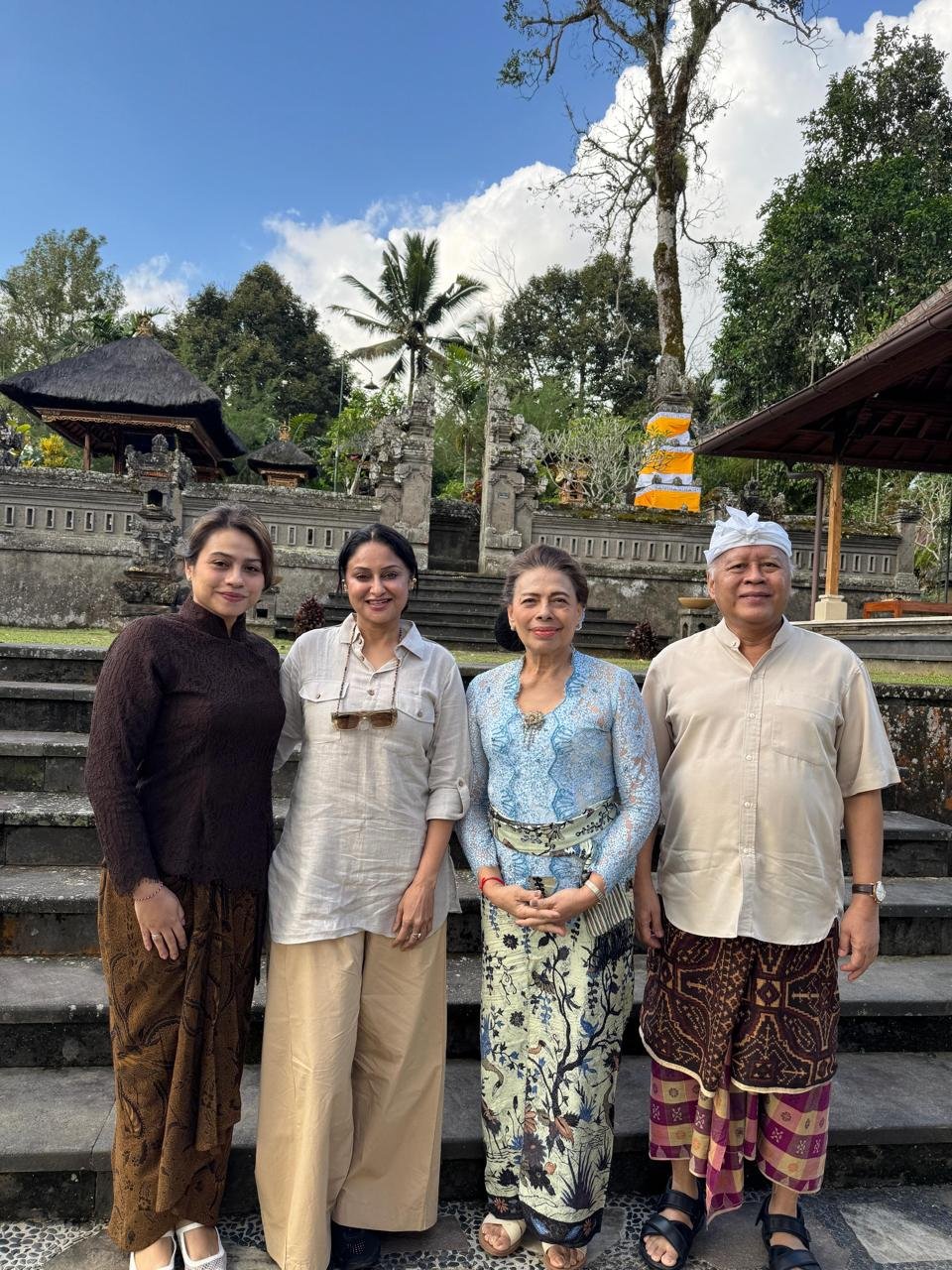
Before our meeting, he had specifically requested that his family wear traditional Balinese clothing after learning that I would be visiting on behalf of FACE Magazine.
What struck me was the intention behind the gesture. He wanted the culture to be experienced as part of everyday family life rather than presented as a performance for visitors.
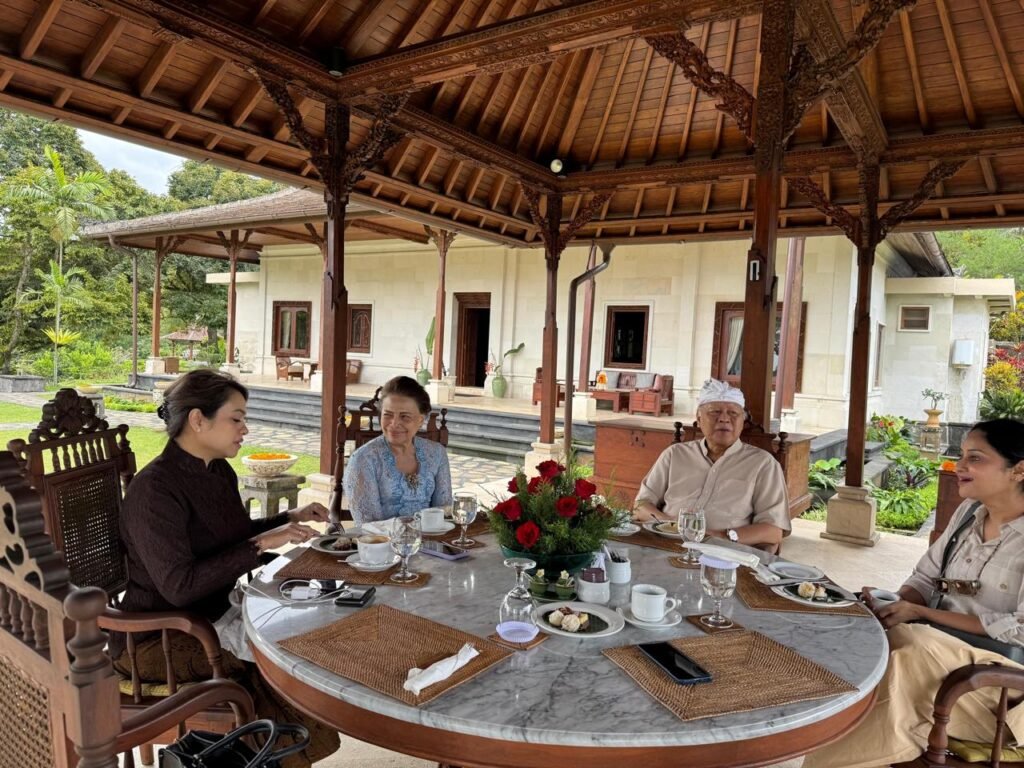
Our interaction gradually moved beyond a formal conversation. His wife, daughters and other family members joined the experience, and what followed was a warm exchange over lunch, stories and conversations.
There was something familiar about the atmosphere. It reminded me of the Indian understanding of hospitality, where welcoming someone into your home is often more personal than simply receiving a guest.
At Bagus Jati, this feeling seemed to come naturally.
Mr. Bagus also shared insights into traditional Balinese homes and how their architecture reflects inherited beliefs and family relationships. The positioning of the household temple, the arrangement of living spaces and the orientation of different areas follow cultural principles passed down through generations.
Architecture, in this context, is more than construction. It becomes a language through which values, relationships and continuity are expressed.
One particularly fascinating tradition concerned the umbilical cord of a newborn child. According to the Balinese custom shared with me, it is buried within the family compound, near the household temple, with protective plants placed nearby in accordance with traditional beliefs.
When children eventually establish homes of their own, they carry a symbolic connection from the original family temple into their new households.
The symbolism stayed with me.
Home, in this philosophy, is not something one leaves behind. It is something that continues to extend across generations.
The Family Behind the Experience
Perhaps the most compelling aspect of Bagus Jati is not just what the family has created, but how they have chosen to sustain it.
During our conversation, I gained an understanding of how responsibilities across the family’s hospitality ventures have been distributed according to individual strengths and interests.
Mrs. Bagus plays an important role in shaping the retreat experience, including its food philosophy and hospitality. One daughter manages operations after studying management, while another, a doctor, is exploring possibilities at the intersection of wellness and medicine.
One son oversees finance, while another leads construction and development.
What stood out was the deliberate distribution of leadership.
Rather than concentrating every responsibility around one individual, the family has created a structure in which different generations contribute to the larger vision.
Coming from an Indian perspective, I found the role of the daughters particularly noteworthy. They were not simply associated with the family legacy; they held meaningful responsibilities within the organisation.
It was an encouraging example of how traditional family values can coexist with evolving leadership structures and opportunities for women.
Growth Rooted in Patience
The origins of Bagus Jati were not built around an overnight success story.
Mr. Bagus shared how his original ambitions after returning from Germany were different. However, his father encouraged the family to invest in land.
The journey that followed was challenging. Difficult access, crop failures and even monkeys destroying harvests created obstacles that slowed progress.
The property developed gradually.
It began with three villas, eventually expanding to accommodate more guests, groups and individual travellers.
Listening to this journey made me look at the retreat differently.
It did not feel like a destination designed and constructed all at once. It felt like a place that had evolved over time, shaped by experience, patience and a family’s willingness to preserve its identity while allowing it to grow.
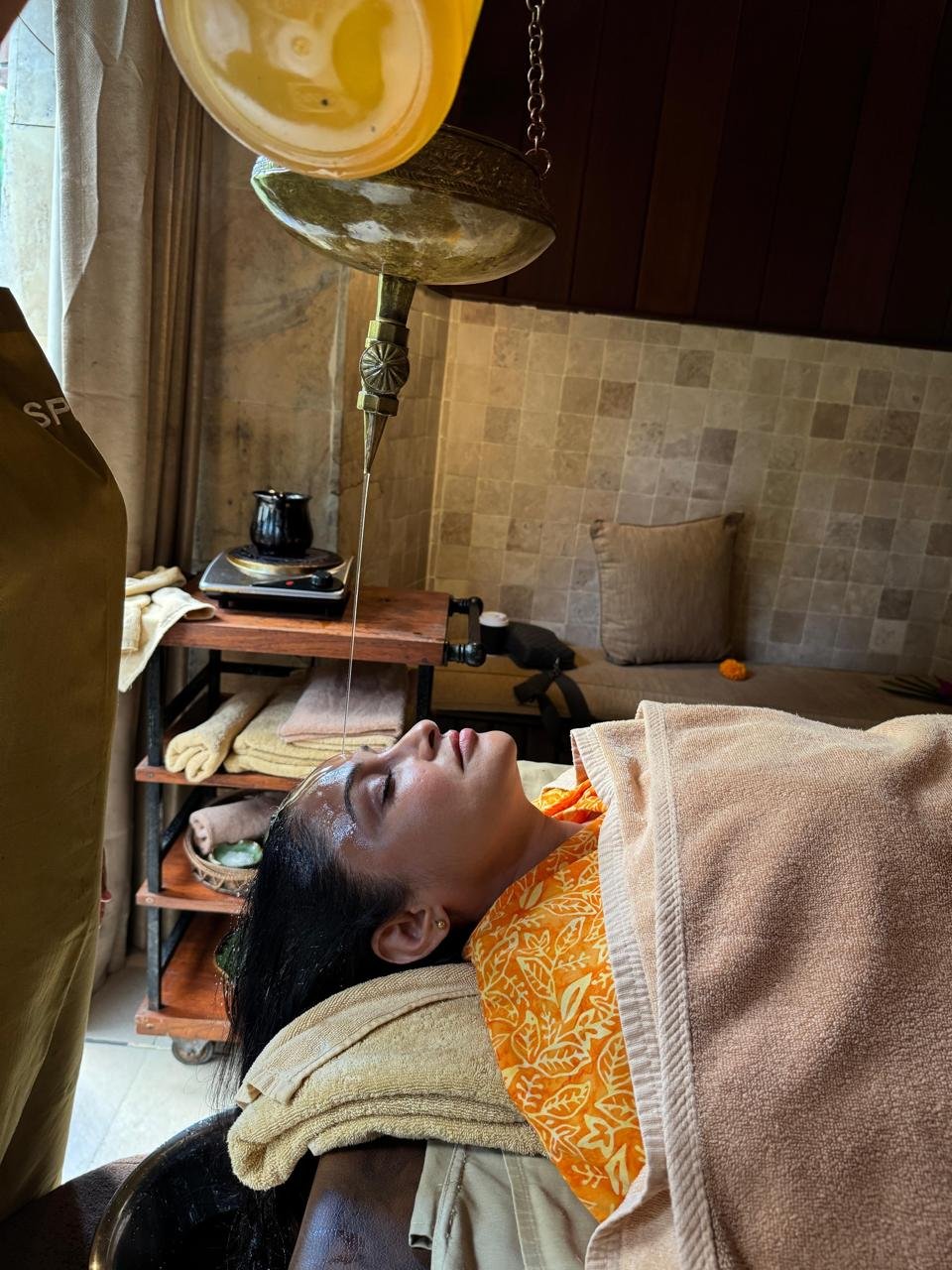
Wellness Beyond the Conventional
Bagus Jati’s approach to wellbeing extends across several experiences and dedicated spaces.
The Sejati Spa offers treatments inspired by traditional Balinese healing practices, combining massages, herbal treatments, body scrubs and natural ingredients in a setting overlooking the surrounding greenery.
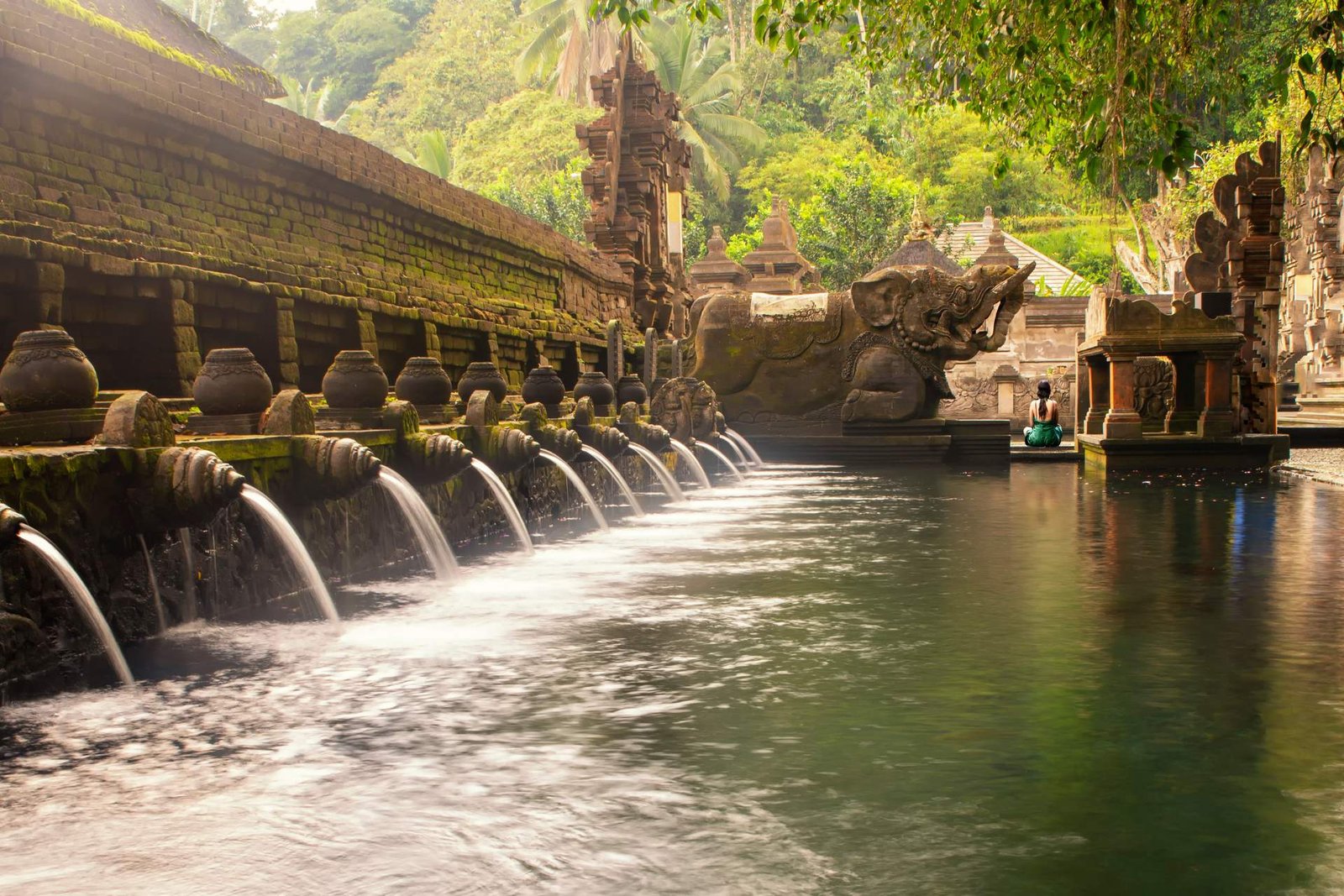
The retreat also features dedicated yoga and meditation spaces, a fitness centre, a natural spring-water meditation pond and the Ishwari poolside café.
Its accommodation ranges from Superior Villas and Superior Chalets to Deluxe Spa Villas, Two-Bedroom Pool Villas and Royal Suite Two-Bedroom Pool Villas. Some villas offer private pools, while others feature private spa facilities and expansive forest or garden views.
Beyond the facilities, guests can explore a variety of cultural and nature-based experiences, including village cycling, trekking, cooking classes, nature walks, Jamu demonstrations, Balinese dance lessons and the traditional purification ritual of Melukat.
What makes these experiences particularly interesting is the connection between physical rejuvenation and cultural participation.
The idea is not simply to occupy a guest’s time with activities. It is to create opportunities to understand the place, its traditions and its relationship with wellbeing.
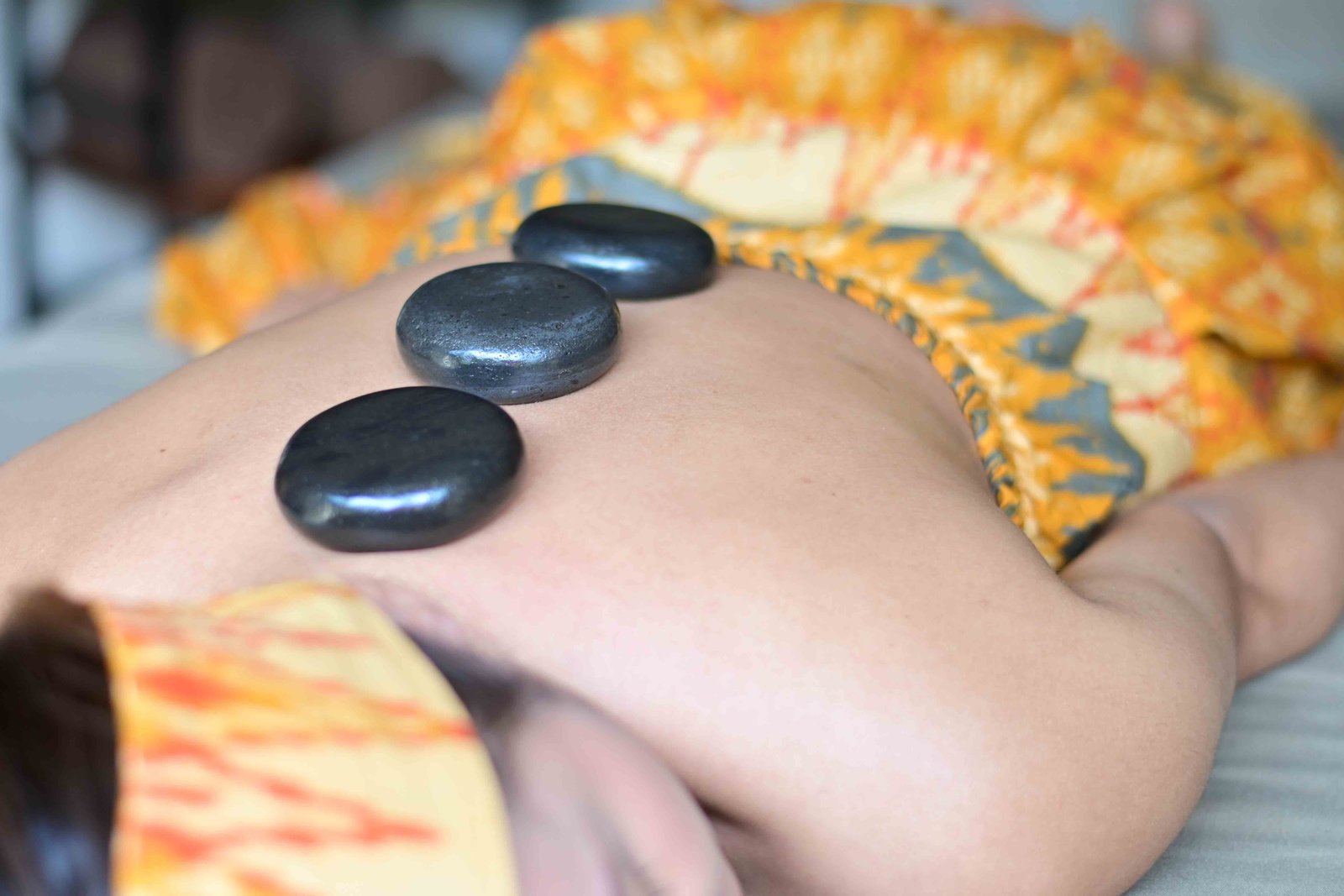
The Psychology of Healing: When Design Speaks Without Words
One of my most unexpected observations came from the counselling room.
At first glance, the space appeared understated. But a closer look revealed that even its smallest details had been considered carefully.
The counsellor’s chair had a noticeably lower backrest, while the chairs provided for guests had higher backrests.
When I asked about the difference, Mrs. Bagus explained that it was intentional. Someone seeking guidance should never feel physically smaller than the person offering it.
It was a remarkably thoughtful approach.
Before a conversation even begins, the physical arrangement of the room communicates equality.
The use of colour followed a similar philosophy. Small accents of deep red appeared through a chair, flowers and artwork. According to Mrs. Bagus, these details help gently interrupt emotional monotony without disturbing the overall calmness of the environment.
It made me realise how much thought can go into spaces designed for emotional comfort.
We often speak about healing through conversations, therapies and guided practices. But the environment in which those experiences take place can also influence how comfortable, safe and respected a person feels.
At Bagus Jati, design seemed to extend beyond aesthetics. It became a quiet form of psychological consideration.
Choosing Connection Over Crowds
Another interesting aspect of my conversation with Mr. Bagus was his perspective on tourism.
He expressed a clear preference for welcoming guests who genuinely appreciate Balinese culture, peace and wellbeing, rather than visitors primarily seeking nightlife or parties.
The philosophy was not about attracting the largest possible number of tourists. It was about attracting people whose intentions aligned with the spirit of the destination.
In an era where tourism is frequently measured through visitor numbers and commercial expansion, this approach presents an alternative understanding of growth.
Perhaps the future of meaningful travel will depend not only on where people go, but also on why they choose to go there.
The Architecture of Belonging
As I reflect on my experience at Bagus Jati, I find myself returning to one central thought.
This is a place where wellness is not restricted to a treatment, a yoga session or a carefully designed retreat programme.
It emerges through the relationship between nature and architecture, through the preservation of cultural traditions, through family interactions, through shared meals and through the simple invitation to participate rather than merely observe.
The deeper story of Bagus Jati is one of stewardship.
A family protecting a way of life while gradually opening its doors to others who wish to experience it.
In a world where wellness is becoming increasingly commercialised, Bagus Jati offers a quieter proposition: that the deepest form of wellbeing may come from feeling connected.
Connected to nature. Connected to culture. Connected to family. Connected to a sense of place.
I arrived seeking rest. I left with a deeper appreciation of how hospitality can become an expression of identity, how architecture can nurture emotional comfort, and how traditions can continue to hold meaning in a changing world.
Perhaps the greatest lesson was not about wellness at all.
It was about growing carefully, preserving identity and allowing others to experience a culture rather than simply consume it.
Because sometimes, the most meaningful luxury is not what a place offers you, but how it makes you feel you belong.
Priynagee Porwal is the Wellness Editor at FACE Magazine, exploring the evolving relationship between wellbeing, conscious living, culture and human connection.